If you've been scrolling through TikTok or Instagram lately, you've probably seen the term "Baby Botox" everywhere. It promises subtle, natural results without the frozen look — but how is it actually different from traditional Botox, and which one is right for you?
Below, our team at Aspen Aesthetics breaks down the differences by age, units, cost, and goals so you can walk into your consultation knowing exactly what to ask.
What Is Baby Botox?
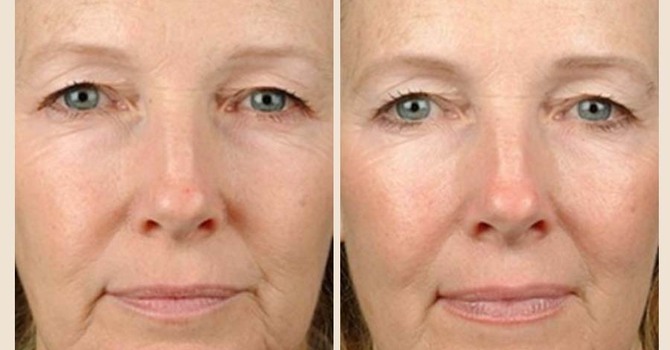
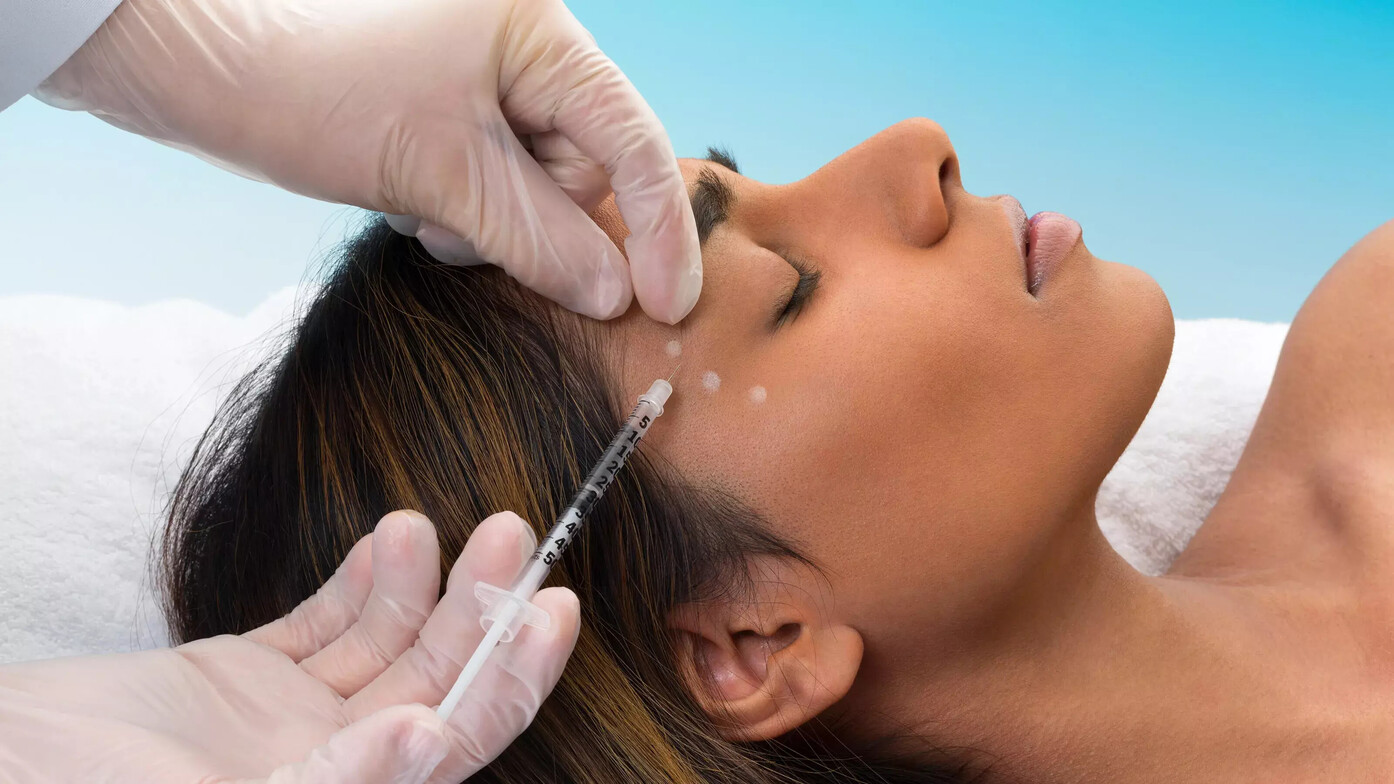
Baby Botox (sometimes called "micro-Botox" or "micro-tox") uses the same neurotoxin as a traditional Botox treatment — just in smaller doses, placed more precisely across the face. The goal isn't to eliminate movement entirely. It's to soften fine lines, prevent deeper wrinkles from forming, and preserve natural facial expression.
Where a traditional Botox treatment in the forehead might use 20–30 units, a Baby Botox approach might use 8–15 units in the same area. The result is a refreshed, well-rested look that doesn't telegraph "I had work done."
Botox vs. Baby Botox: Side-by-Side
| Traditional Botox | Baby Botox | |
|---|---|---|
| Best for | Moderate to deep wrinkles | Prevention & fine lines |
| Typical units per area | 20–30 units | 8–15 units |
| Movement preserved | Significantly reduced | Mostly preserved |
| Results last | 3–4 months | 2–3 months |
| Onset of results | 3–7 days, full effect at 2 weeks | 3–7 days, full effect at 2 weeks |
| Look | Smooth, more dramatic correction | Natural, subtle, undetectable |
Which Is Right for You? A Guide by Age
Age isn't the only factor — skin quality, expression patterns, and personal goals matter just as much — but it's a useful starting point.
In Your 20s: Prevention First
Best fit: Baby Botox. In your 20s, you likely don't have static wrinkles yet (lines that stay visible even when your face is at rest). The goal here is preventative — softening dynamic expressions just enough to keep deeper creases from etching in over the next decade.
Most patients in this range start with treatment in the forehead, between the brows ("11s"), or around the eyes (crow's feet), spaced 4–6 months apart rather than every 3 months.
In Your 30s: The Hybrid Approach
Best fit: Often a mix of both. By your mid-30s, many patients have a combination of fine lines that respond well to Baby Botox and slightly deeper expression lines that benefit from a more traditional dose.
A skilled injector will customize unit counts by area — for example, lighter dosing around the eyes to preserve a natural smile, with a slightly stronger treatment between the brows.
In Your 40s and Beyond: Targeted Correction
Best fit: Traditional Botox, often combined with other treatments. In your 40s, deeper static lines are more common, and Botox alone may not address everything you're seeing.
Many patients in this stage benefit from pairing a traditional Botox treatment with skin-quality treatments like RF microneedling, polynucleotides, or skin boosters to address texture, laxity, and tone alongside expression lines.
How Much Does Baby Botox Cost in Edmonton?
Most reputable Alberta clinics price Botox by the unit rather than by the area, which gives you transparency on exactly what you're paying for. Unit pricing in Edmonton typically ranges from $10–$14 per unit depending on the clinic and product (Botox, Dysport, Nuceiva, or Xeomin).
A general guideline for budgeting:
- Baby Botox, single area: 8–15 units — roughly $80–$210
- Baby Botox, full face (forehead, 11s, crow's feet): 25–40 units — roughly $250–$560
- Traditional Botox, full face: 40–60+ units — roughly $400–$840
A note on suspiciously low prices: Be cautious of clinics advertising significantly below this range. Under-dosing is a common cost-cutting tactic that leads to results which fade in weeks rather than months — meaning you end up paying more in the long run.
What to Ask at Your Consultation
- Who will be performing my injections, and what are their credentials?
- Which neuromodulator do you use, and why?
- How many units do you recommend for my goals, and why that amount?
- Can I see before-and-after photos of patients with similar features?
- What's your touch-up policy if I'd like more correction at the 2-week mark?
Ready to Find Your Right Dose?
At Aspen Aesthetics, we believe the best injectable result is one no one can quite put their finger on — you just look like a more rested, refreshed version of yourself. Whether that means a few units of Baby Botox or a more comprehensive treatment plan depends entirely on you.
Book a complimentary consultation with our team and we'll assess your skin, listen to your goals, and recommend the approach that's right for you — never a one-size-fits-all plan.
Frequently Asked Questions
Is Baby Botox safer than regular Botox?
Both treatments use the same Health Canada-approved neurotoxin and have the same safety profile when administered by a qualified medical injector. Baby Botox uses a lower dose, which can mean a lower risk of side effects like heaviness or asymmetry, but the safety of any injectable depends primarily on your injector's training and experience.
How long does Baby Botox last?
Because Baby Botox uses fewer units, results typically last 2–3 months compared to 3–4 months for a traditional dose. Many patients find that maintaining results with smaller, more frequent treatments feels more natural than larger doses spaced further apart.
What age should I start Botox?
There's no single "right" age — it depends on your skin, your expression patterns, and your goals. Many patients begin preventative Baby Botox in their late 20s or early 30s, while others wait until they notice static lines forming. A consultation with an experienced injector is the best way to decide if treatment is right for you now.
Will Baby Botox make my face look frozen?
No. The entire point of Baby Botox is to preserve natural movement and expression. You'll still be able to raise your brows, smile, and emote — fine lines just won't crease as deeply when you do.
Can I switch from regular Botox to Baby Botox?
Absolutely. Many patients transition to lighter dosing as they refine their preferences over time. Just let your injector know you'd like a more subtle, movement-preserving result at your next appointment.
This article is for educational purposes only and does not constitute medical advice. Individual results vary. Please book a consultation with a qualified medical professional to discuss whether a neuromodulator treatment is appropriate for you.

Janet Truong
Contact Me